

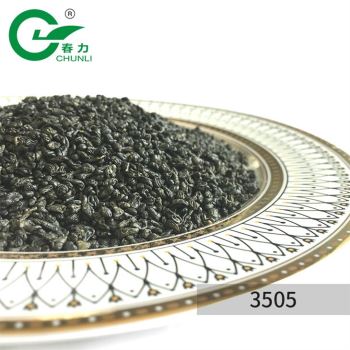
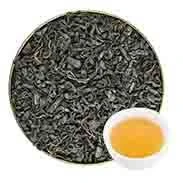
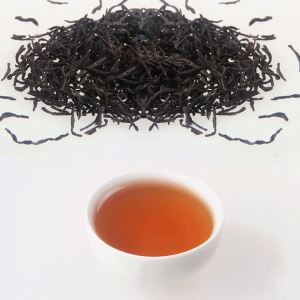
Hey there, tea lovers and fellow tea suppliers! I'm an experienced Health Chun Mee Tea supplier, and I've been in the tea business for quite a while. One of the biggest challenges we face in growing Health Chun Mee Tea plants is preventing pests and diseases. If not managed properly, these problems can seriously impact the quality and quantity of our tea harvests. Today, I'm gonna share some practical tips on how to keep those pesky pests and diseases at bay.
Understanding the Basics: Why Prevention Is Key
Before we dive into the actual prevention methods, let's talk about why prevention is so important. When pests and diseases strike, they can damage the tea leaves, which affects the taste and aroma of the tea. Not only that, but they can also spread rapidly throughout the tea plantation, leading to significant losses. By preventing them from occurring in the first place, we can ensure that our Health Chun Mee Tea maintains its high - quality standard and remains appealing to customers. Whether you're looking for Green Tea Wholesale Price 41022aaa or Pure Leaf Green Tea, you want the tea to be free from any pest or disease - related issues.
1. Site Selection and Preparation
The first step in preventing pests and diseases starts even before you plant your Health Chun Mee Tea. Choosing the right site is crucial. The site should have good drainage, as waterlogging can create a favorable environment for many diseases. Also, make sure the area gets plenty of sunlight, as tea plants need sunlight to grow strong and healthy.
Before planting, clear the land of any weeds, debris, or diseased plant material. This helps to remove potential hiding places for pests and also reduces the chances of disease spores being present in the soil. Till the soil to a good depth to improve aeration and drainage. Adding organic matter like compost can also make the soil more fertile and less hospitable to pests.
2. Good Sanitation Practices
Sanitation is key in preventing the spread of pests and diseases in your tea plantation. Regularly remove fallen leaves, twigs, and dead plants from the ground. These can carry pests and diseases, and if left on the ground, they can provide a breeding ground for them.
Prune your tea plants regularly to remove any damaged or diseased branches. This not only improves the overall health of the plant but also increases air circulation, which reduces the chances of fungal diseases. Make sure to clean your pruning tools between plants to avoid spreading diseases from one plant to another.
3. Biological Control
Biological control is a natural and effective way to prevent pests. Instead of using harsh chemicals, we can use natural enemies of pests to keep their populations in check. For example, ladybugs are great at controlling aphids, which are a common pest in tea plants. You can attract ladybugs to your tea plantation by planting flowering plants that they like, such as daisies and marigolds.
Another option is to introduce beneficial fungi and bacteria. Some bacteria can help prevent soil - borne diseases, while certain fungi can target specific pests. Using these biological controls not only helps to protect the environment but also maintains the natural balance in your tea plantation.
4. Resistant Varieties
When choosing Health Chun Mee Tea varieties to plant, look for those that are known to be resistant to common pests and diseases. Resistant varieties are less likely to be affected, which means less work for you in terms of pest and disease control.
You can also talk to other tea suppliers or agricultural extension services to find out which varieties perform best in your area. Planting resistant varieties is a long - term investment that can save you a lot of time and money in the future. If you're in the market for Achoura Chunmee Tea or Chunmee Bulk Tea For Tea Traders, having healthy, disease - resistant tea plants is crucial.
5. Monitor Regularly
You can't prevent what you don't know about, so regular monitoring is essential. Walk through your tea plantation on a regular basis and look for signs of pests or diseases. Early detection is key, as it allows you to take action before the problem gets out of control.
Look for things like holes in the leaves, discoloration, or the presence of insects. If you notice any suspicious signs, take a closer look and try to identify the problem. There are many online resources and agricultural guides that can help you with pest and disease identification.
6. Chemical Control (As a Last Resort)
While I prefer natural methods of pest and disease control, sometimes chemical control may be necessary. If you do decide to use chemicals, make sure to follow the instructions carefully. Use only approved pesticides and fungicides, and apply them at the right time and in the right amount.
Overusing chemicals can have negative effects on the environment and the quality of your tea. It can also lead to the development of pest resistance, which means the pests will become harder to control in the future. So, use chemicals only when all other methods have failed.
7. Proper Watering and Fertilization
Giving your Health Chun Mee Tea plants the right amount of water and nutrients is also important for preventing pests and diseases. Over - watering can lead to root rot and other fungal diseases, while under - watering can stress the plants and make them more susceptible to pests.
Fertilize your tea plants according to their needs. Using too much fertilizer can make the plants grow too quickly and become weak, while using too little can result in poor growth and lower resistance to pests and diseases. A balanced fertilization program can help your plants stay healthy and strong.


Conclusion
Preventing pests and diseases in Health Chun Mee Tea plants is a continuous process that requires a combination of good practices. From site selection and sanitation to biological control and regular monitoring, every step plays a crucial role in maintaining the health of your tea plants.
If you're interested in purchasing high - quality Health Chun Mee Tea, whether it's for Best Aroma Taste Freshly 41022 Tea or other purposes, I'd love to talk to you. Feel free to reach out for a procurement discussion, and let's work together to ensure you get the best tea for your needs.
References
- Smith, J. (2020). Tea Plantation Management: A Practical Guide. Green Press.
- Brown, A. (2019). Biological Control in Agriculture. Nature Publishing.