
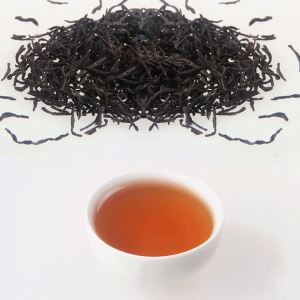
Is Libyan Tea Caffeinated?
Hey there, tea lovers! I'm a supplier of Libyan tea, and I get this question a lot: "Is Libyan tea caffeinated?" Let's dive into this topic and get you all the answers you need.
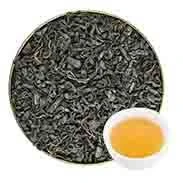
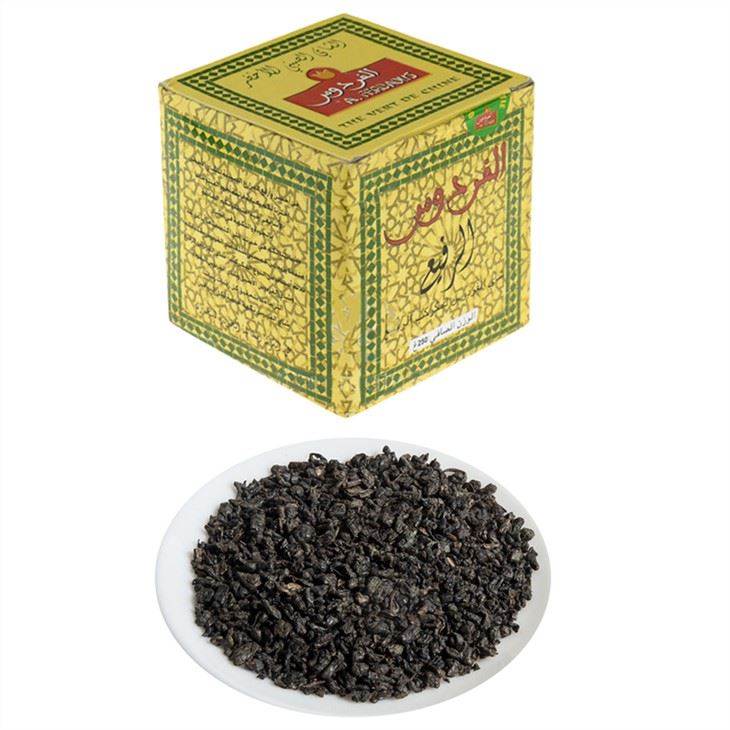
First off, let me give you a bit of background on Libyan tea. Libyan tea, also known as gunpowder tea, is super popular in Libya and many other parts of the world. It's got a distinct flavor and a unique brewing method. The tea leaves are rolled up into little balls, which gives it a really interesting look. And when you steep it, those little balls unfurl, releasing all that great tea goodness.
Now, to the big question: does Libyan tea have caffeine? The short answer is yes. Libyan tea, being a type of green tea, naturally contains caffeine. Caffeine is a stimulant that's found in many plants, including tea leaves. It's what gives you that little energy boost when you drink a cup of tea.
But how much caffeine is in Libyan tea exactly? Well, it can vary. The amount of caffeine in tea depends on a few things, like the type of tea leaves, how they were processed, and how you brew the tea. In general, Libyan tea has less caffeine than coffee. A typical cup of coffee can have anywhere from 95 to 200 milligrams of caffeine, while a cup of Libyan tea usually has around 20 to 60 milligrams.

If you're sensitive to caffeine or just want to limit your intake, you can control how much caffeine you get from Libyan tea. The longer you steep the tea, the more caffeine will be released into the water. So, if you want a less caffeinated cup, steep it for a shorter time. Also, using less tea leaves can reduce the caffeine content.
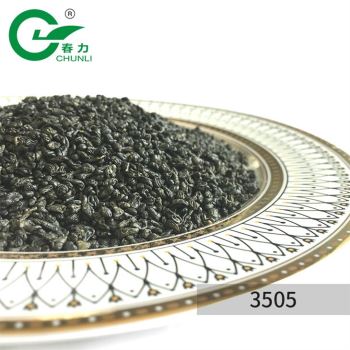
Another factor that can affect the caffeine level is the specific brand or variety of Libyan tea. For example, Al Ferdaous Gunpowder Tea might have a slightly different caffeine content compared to Gunpowder Supreme Green Tea or Tea Gun Powder 3505. Each brand might use different tea leaves or processing methods, which can impact the caffeine amount.
Now, let's talk about the effects of caffeine in Libyan tea. The caffeine in Libyan tea can have some benefits. It can help improve your focus and concentration. If you're feeling a bit sluggish in the morning or need a pick - me - up during the day, a cup of Libyan tea can do the trick. It can also give you a bit of a physical energy boost, which can be great if you're about to start a workout or a long day of work.
But there are also some potential downsides. If you drink too much caffeinated tea, you might experience jitters, anxiety, or trouble sleeping. Everyone's tolerance to caffeine is different. Some people can handle a lot of it, while others are more sensitive. So, it's important to know your limits and not overdo it.
If you're a fan of the taste of Libyan tea but want to avoid caffeine altogether, there are some decaffeinated options available. However, keep in mind that decaffeinated tea might not have exactly the same flavor as the regular caffeinated version. The process of removing caffeine can sometimes change the taste profile of the tea.
As a Libyan tea supplier, I often hear from customers who are interested in the health aspects of our tea. Besides caffeine, Libyan tea is full of antioxidants. These antioxidants can help protect your body from damage caused by free radicals. They've been linked to a whole bunch of health benefits, like reducing the risk of heart disease, certain cancers, and even helping with weight management.
So, whether you're looking for a little caffeine boost or just want to enjoy the delicious taste and health benefits of Libyan tea, there's an option for you. If you're new to Libyan tea, I suggest starting with a small batch and seeing how you like it. You can experiment with different steeping times and amounts of tea leaves to find your perfect cup.
If you're interested in purchasing Libyan tea, we have a wide range of high - quality products. Whether you prefer Al Ferdaous Gunpowder Tea, Gunpowder Supreme Green Tea, or Tea Gun Powder 3505, we've got you covered. We're always happy to talk about tea, answer any questions you might have, and help you find the right tea for your needs. Just reach out to us, and we can start a conversation about your tea requirements.
References
- "The World of Tea" by Tea Association
- Caffeine content studies from The Journal of Food Science