

As a supplier of High Mountain Tea, I often get asked about the differences between High Mountain Tea and black tea. It's a topic that not only fascinates tea lovers but also business partners interested in the tea trade. Today, I'm gonna break down the distinctions between these two types of tea to help you understand their unique characteristics.
1. Origin and Growth Environment
High Mountain Tea, as the name implies, is typically grown at high altitudes, usually above 1,000 meters. These high - altitude regions have cooler temperatures, more fog, and slower - growing conditions. The cooler climate slows down the growth of tea leaves, allowing them to develop more complex flavors and higher concentrations of beneficial compounds such as amino acids. For example, the High Mountain Tea from Taiwan's Alishan region is well - known for its fresh, floral aroma and smooth, sweet taste, which is largely due to the region's high - altitude environment.
On the other hand, black tea can be grown in a wide range of environments. While some high - quality black teas are also grown at relatively high altitudes, many are produced in lower - lying areas with warmer climates. For instance, Assam black tea from India is grown in the low - lying Assam Valley, where the hot and humid climate promotes rapid leaf growth. This results in a black tea with a robust, malty flavor and a strong body.
2. Processing Methods
The processing methods for High Mountain Tea and black tea are quite different. High Mountain Tea is often a type of green tea or oolong tea. Green High Mountain Tea is minimally processed. It usually goes through a simple process of withering, fixing (to stop oxidation), rolling, and drying. This minimal processing helps to preserve the natural color, flavor, and nutrients of the tea leaves. Oolong High Mountain Tea, however, undergoes a partial oxidation process, which falls somewhere between green and black tea. The oxidation level can vary, but it generally gives the tea a more complex flavor profile with floral, fruity, and sometimes roasted notes.
Black tea, in contrast, is fully oxidized. The leaves are first withered to reduce moisture content, then rolled to break the cell walls and release enzymes that initiate oxidation. During oxidation, the leaves turn from green to brown, and the flavor, aroma, and color of the tea change significantly. After oxidation, the leaves are dried to stop the process and lock in the flavor. This full - oxidation process gives black tea its characteristic dark color, rich flavor, and strong aroma.
3. Flavor and Aroma
The flavor and aroma of High Mountain Tea and black tea are distinct. High Mountain Tea, especially green varieties, is known for its fresh, delicate, and often grassy or floral flavors. The slow growth at high altitudes contributes to a more nuanced and complex flavor profile. You might taste notes of citrus, melon, or even a hint of honey in good - quality High Mountain Tea. The aroma is usually light and refreshing, with a pleasant, sweet fragrance that can linger in your nose long after a sip.
Black tea, on the other hand, has a bold and robust flavor. The full - oxidation process creates a rich, malty taste that is often accompanied by notes of chocolate, caramel, or spices. The aroma of black tea is strong and intense, with a deep, earthy undertone. It can be very comforting, especially when served with a splash of milk and a bit of sugar.
4. Caffeine Content
Caffeine is an important factor for many tea drinkers. Generally, High Mountain Tea has a relatively lower caffeine content compared to black tea. The slow - growth environment at high altitudes reduces the synthesis of caffeine in the tea leaves. Green High Mountain Tea, in particular, has one of the lowest caffeine levels among teas. This makes it a great choice for those who want to enjoy the benefits of tea without the jitters that can sometimes come from high - caffeine beverages.
Black tea, because of its different processing and growth environments, often contains more caffeine. However, the exact caffeine content can vary depending on the type of black tea, the brewing method, and the steeping time.
5. Health Benefits
Both High Mountain Tea and black tea offer a variety of health benefits. High Mountain Tea, being rich in antioxidants such as catechins, has been linked to numerous health advantages. These antioxidants can help protect the body from free - radical damage, reduce the risk of chronic diseases like heart disease and cancer, and improve skin health. Green High Mountain Tea is also known to boost metabolism and aid in weight management. You can check out our Premium Chunmee Green Tea 41022 - Exquisite Fragrance & Balanced Taste which not only tastes great but also offers these health benefits.
Black tea also contains antioxidants, such as theaflavins and thearubigins, which have been shown to have anti - inflammatory and heart - protecting properties. Drinking black tea regularly may help lower cholesterol levels, improve blood vessel function, and reduce the risk of stroke. Our Best 28 Days Detox Herbal Slimming Tea 3505d combines the goodness of black tea with other herbs for a detoxifying and slimming effect.
6. Appearance and Brewing
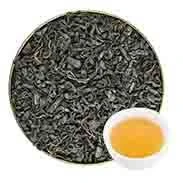
In terms of appearance, High Mountain Tea leaves are usually greener and more intact, especially in the case of green tea. They are often long and slender, with a fresh, vibrant color. When brewed, green High Mountain Tea produces a pale, yellow - green liquor that is clear and bright. The oolong varieties may have a slightly darker, more amber - colored liquor.
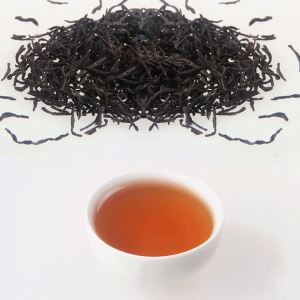
Black tea leaves are dark brown or black, and they are often more broken or rolled into small particles. When brewed, black tea results in a dark, coppery - brown or reddish - brown liquor.


The brewing guidelines for the two types of tea also differ. High Mountain Tea, especially green tea, is best brewed with water at a lower temperature (around 70 - 80°C) and for a shorter time (1 - 3 minutes) to avoid over - extraction and a bitter taste. Oolong High Mountain Tea can tolerate slightly higher temperatures and longer steeping times.
Black tea, on the other hand, is usually brewed with boiling water (100°C) and for a longer period (3 - 5 minutes) to fully extract its rich flavor and color.
Conclusion
In conclusion, High Mountain Tea and black tea have significant differences in their origin, processing, flavor, caffeine content, health benefits, and brewing methods. High Mountain Tea offers a fresh, delicate experience with lower caffeine and a wealth of antioxidants, while black tea provides a bold, robust flavor with higher caffeine and its own set of health - promoting compounds.
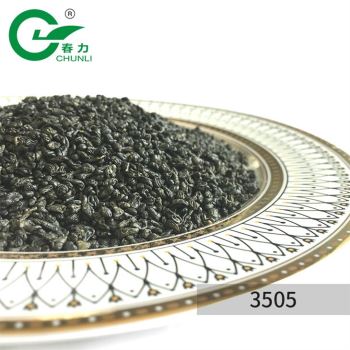
Whether you're a tea lover looking for a new taste or a business partner interested in expanding your tea offerings, understanding these differences is crucial. If you're interested in purchasing High Mountain Tea, we have a wide range of products available, including Top Gunpowder 9675AAA Small Bag, Factory Gunpowder Green Tea 3505A, and Gunpowder Green Tea 3505AAA. We're always open for business and happy to have a chat about potential purchases. Feel free to reach out for more information and let's start a great tea - related business cooperation!
References
- “The Science of Tea.” Tea Association of the USA.
- “High - Altitude Tea and Its Characteristics.” Journal of Tea Research.
- “Black Tea: A Review of Its Health Benefits and Processing.” International Journal of Food Sciences and Nutrition.