

As a private label tea supplier, I am constantly aware of the ethical implications involved in tea sourcing. Ethical considerations in private label tea sourcing are not just buzzwords; they are fundamental to building a sustainable and responsible business. In this blog, I will explore the key ethical aspects that we, as a private label tea supplier, need to take into account during the sourcing process.
Environmental Sustainability
One of the primary ethical concerns in tea sourcing is environmental sustainability. Tea production can have a significant impact on the environment, including deforestation, water pollution, and soil degradation. As a private label tea supplier, we have a responsibility to ensure that the tea we source is produced in an environmentally friendly manner.
We should look for tea farms that implement sustainable farming practices. This includes using organic fertilizers and pesticides, conserving water, and protecting natural habitats. For example, many tea gardens are now adopting agroforestry systems, where tea plants are grown alongside other trees and crops. This not only helps to maintain biodiversity but also improves soil fertility and reduces the need for chemical inputs.
Another important aspect of environmental sustainability is the reduction of carbon footprint. Tea leaves often need to be transported long distances from the farm to the processing facilities and then to the end - consumers. We can work with suppliers who use efficient transportation methods and invest in renewable energy sources in their processing facilities. By choosing teas with a lower carbon footprint, we can contribute to the fight against climate change.
Social Responsibility
Social responsibility is equally important in private label tea sourcing. The tea industry employs millions of workers around the world, many of whom work in challenging conditions. We need to ensure that the workers involved in tea production are treated fairly and have access to good working conditions.

This means that we should source tea from farms and factories that pay fair wages to their workers. Fair wages enable workers to support their families, access education, and healthcare. We can look for certifications such as Fairtrade, which guarantees that the growers and workers receive a fair price for their products.
In addition to fair wages, we should also consider the working conditions on the tea farms. Workers should have access to safe working environments, including protective equipment and proper sanitation facilities. We can audit our suppliers regularly to ensure that they comply with international labor standards.
Child labor is another serious issue in the tea industry. As a responsible private label tea supplier, we must ensure that there is no child labor involved in the production of the tea we source. We can implement strict supplier codes of conduct and cooperate with organizations that monitor and combat child labor.
Transparency and Traceability
Transparency and traceability are crucial ethical considerations in private label tea sourcing. Consumers today are more informed and concerned about the origin and production process of the products they buy. As a private label tea supplier, we should be able to provide detailed information about the tea we source.
Traceability allows us to track the tea from the farm to the cup. We should know where the tea is grown, who is growing it, and what methods are used in its production. This can be achieved through the use of technology such as blockchain, which can record every step of the tea's journey.
Transparency also means being honest with our customers about the quality and characteristics of the tea. We should not make false claims about the health benefits or the origin of the tea. By providing accurate information, we can build trust with our customers and enhance our brand reputation.
Quality and Safety
Ensuring the quality and safety of the tea is an ethical obligation for private label tea suppliers. We need to source tea that meets strict quality and safety standards.
Quality control starts at the farm. We should work with tea growers who have a good reputation for producing high - quality tea. This includes selecting the right tea varieties, harvesting at the right time, and using proper processing methods.
In terms of safety, we need to ensure that the tea is free from contaminants such as pesticides, heavy metals, and microorganisms. We can conduct regular testing on the tea samples to verify their safety. We should also comply with all relevant food safety regulations in the markets where we sell our products.
Examples of Ethical Tea Sourcing
Let's look at some popular types of tea and how we can source them ethically. For instance, Chunmee Green Tea Natural Slimming Tea is a well - known tea variety. When sourcing Chunmee Green Tea, we can look for farms that use traditional and sustainable cultivation methods. Chunmee Green Tea 9371 - 1 and Tea Manufacture Supply 9371 Chunmee Green Tea Export can also be sourced from responsible suppliers who prioritize environmental and social sustainability.
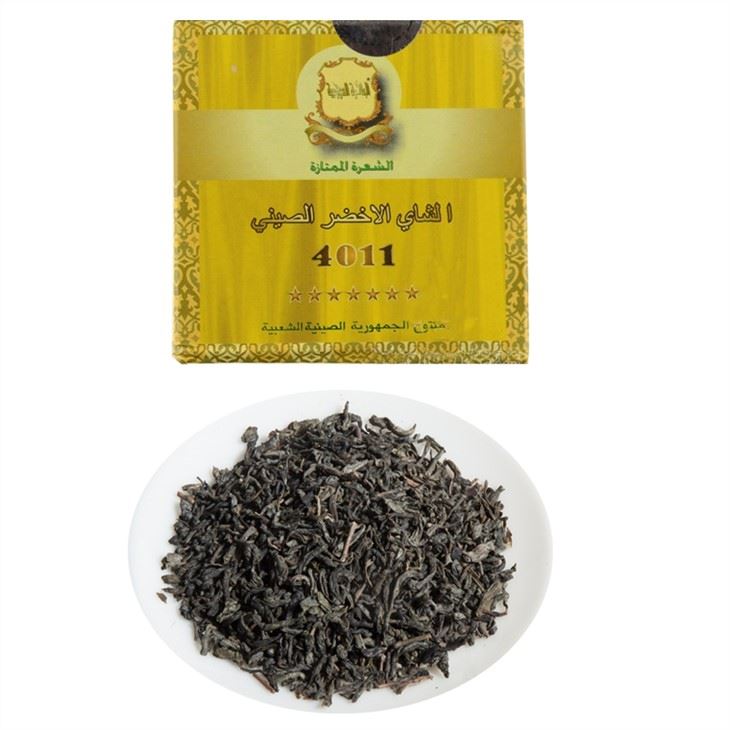
Another option is Ataya Tea. We can establish long - term relationships with the producers of Ataya Tea to ensure that they adhere to ethical practices. Similarly, Al Bakhira Tea can be sourced from suppliers who are committed to fair trade and environmental protection.
Conclusion and Call to Action
In conclusion, ethical considerations in private label tea sourcing are multi - faceted and complex. By focusing on environmental sustainability, social responsibility, transparency, traceability, quality, and safety, we can build a more ethical and sustainable business. As a private label tea supplier, I am committed to upholding these ethical principles in every step of the sourcing process.
If you are interested in purchasing private label tea that meets high ethical standards, we invite you to start a discussion with us. We can work together to customize the perfect tea products for your brand and ensure that they are sourced and produced in an ethical and sustainable manner.
References
- "The State of Sustainable Tea Report" by Ethical Tea Partnership.
- "Fair Trade in the Tea Sector" by the International Labour Organization.
- "Environmental Impacts of Tea Production" by the United Nations Environment Programme.