

Why Do They Call It Gunpowder Tea?
Gunpowder tea, also known as Zhu Cha in Chinese, is a distinctive form of green tea renowned for its unique appearance and flavor. The name "gunpowder tea" may seem peculiar at first glance, but it has a historical and visual basis that explains its origin.
Visual Resemblance
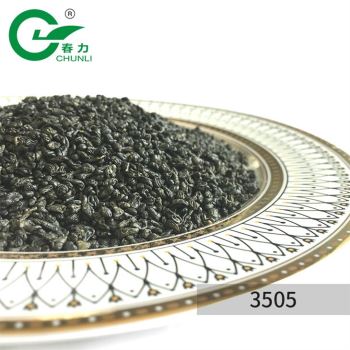
The most straightforward reason for the name is the physical appearance of the tea leaves. Gunpowder tea leaves are meticulously rolled into small, tight pellets that resemble grains of black powder (gunpowder). These pellets are typically about the size of a pinhead and have a dark green color, further enhancing the resemblance to actual gunpowder grains. When brewed, these pellets unfurl, releasing their rich flavor and aroma.
Historical Context
The production of Gunpowder tea dates back to ancient China, specifically the Tang Dynasty (618-907 AD). During this period, tea leaves were often compressed into cakes or bricks for easier transportation and storage. However, the innovation of rolling tea leaves into pellets allowed for better preservation of the leaves' natural oils and flavors. This method also made the tea more resistant to damage during transportation, which was particularly important given the long trade routes of the time.
Trade and Popularization
As trade routes expanded, Gunpowder tea found its way to various parts of the world, including Europe. European traders and explorers who encountered this tea were struck by its appearance, which reminded them of gunpowder. The name stuck and became widely used in Western countries. Despite its somewhat misleading name, Gunpowder tea quickly gained popularity for its robust flavor and health benefits.
Production Process
The production of Gunpowder tea involves several intricate steps. After the leaves are picked, they are withered to reduce moisture content. Next, the leaves are steamed or pan-fried to halt oxidation, preserving their green color and delicate flavor. The most critical step is the rolling process, where the leaves are rolled into tight pellets. This can be done by hand or using specialized machines. The final step is drying the pellets to remove any remaining moisture, ensuring a longer shelf life.
Flavor Profile
Gunpowder tea is known for its strong, bold flavor, which can vary depending on the specific variety and growing conditions. Some Gunpowder teas have a slightly smoky or grassy taste, while others may exhibit a more vegetal or sweet profile. The brewing process also plays a significant role in determining the final flavor. Using water that is too hot can result in a bitter taste, while water that is too cool may not fully release the tea's flavors.
Health Benefits
Like other green teas, Gunpowder tea is rich in antioxidants, particularly catechins, which have been linked to numerous health benefits. These include improved heart health, enhanced weight loss, reduced inflammation, and a lower risk of certain cancers. Additionally, the caffeine content in Gunpowder tea can provide a gentle energy boost without the jitters associated with coffee.
Conclusion
The name "gunpowder tea" may evoke images of firearms and explosives, but its true origins lie in the tea's unique appearance and historical significance. From its ancient roots in China to its global popularity today, Gunpowder tea remains a beloved beverage for tea enthusiasts around the world. Whether enjoyed for its rich flavor, health benefits, or cultural heritage, Gunpowder tea continues to captivate and delight those who sip it.
Dec 23, 2024
Why Do They Call It Gunpowder Tea?
Send Inquiry