

1. Green tea-non-fermented tea
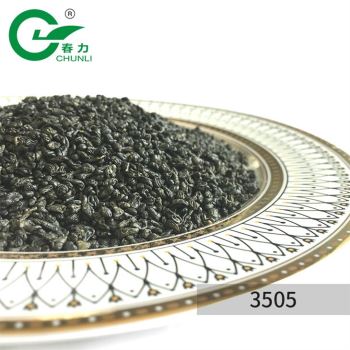
Green tea is a non-fermented tea, the most popular tea consumed by Chinese people, and the most popular tea in my country. His core production process is "clearing". After fresh leaves are picked, they immediately use the principle of high temperature to make the polyphenols in the tea stop oxidation quickly.
The production differences can be divided into: fried green tea, roasted green tea, dried green tea, steamed green tea. The most I drink is fried green tea.
The characteristics of green tea are dry tea green, tea soup green, leaf bottom green, commonly known as three greens.
Green tea should not be kept for a long time. Taste the green tea produced in the past. The best way to store it is to put it in the refrigerator and avoid storing it with other foods to prevent the tea from absorbing peculiar smells.
Representative teas: Longjing, Biluochun, Zhuyeqing, Xinyang Maojian, Lushan Yunwu, Hanzhong Xianhao, Enshi Yulu, Huangshan Maofeng, Lu'an Guapian, Taiping Houkui, Duyun Maojian, etc.
2. white tea-micro-fermented tea
In recent years, white tea has been popular among consumers, whether it is new white tea or old white tea.
White tea is a slightly fermented tea with a fermentation degree of 5-10%. White tea is dried out, and it is made without frying or rubbing, and it is also dried by people.
Baihao Yinzhen is a whole bud tea. The whole body of new tea is tender green and covered with Pekoe. It is often mistaken for green tea.
Representative tea: Fuding white tea, Zhenghe white tea.
3. Yellow tea-micro-fermented tea
Yellow tea is also a slightly fermented tea with a degree of fermentation: about 10%-20%. Few people know yellow tea, and even fewer people have drunk it.
Yellow tea can be divided into three main types: yellow bud tea, yellow small tea, and yellow big tea according to the young leaves and the size of the buds.
The core process is "suffocating yellow", which is the key to forming the characteristics of yellow tea.
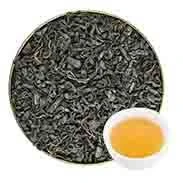
Yellow tea is very similar to green tea, but the tea soup of yellow tea is yellow. The drinking time and storage method are the same as green tea.
Representative teas: Junshan Yinzhen, Mengding Huangya, Huoshan Huangya, Pingyang Yellow Decoction, Ya'an Yellow Tea, etc.
4 green tea-semi-fermented tea
Green tea (Oolong) is a semi-fermented tea with a fermentation degree of 15%-70%, and the taste varies greatly. Mainly divided into: Minnan Oolong has a light and delicate fragrance, sweet and sweet; Minbei Oolong tastes mellow and steady.
The core process is: Shaking Qing. Shake the tea leaves, the tea leaves ferment in the collision.
Representative teas: Southern Fujian Oolong (Tieguanyin), Northern Fujian Oolong (Dahongpao), Guangdong Oolong (Phoenix Dancong), Taiwan Oolong (Alishan Oolong).
5. Black tea-fully fermented tea
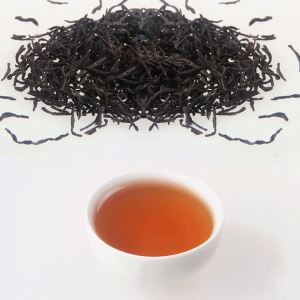
Black tea is a fully fermented tea with a degree of fermentation of 70%-100%. Its tea is mild, and girls drinking it can help relieve body cold.
British princess Catherine likes to drink very much, making it quickly spread to the royal family, and gradually become a tea culture such as English afternoon tea, which has a great influence on the world.
The core process is "fermentation", which destroys the tea cells by rolling, so that the polyphenols in the tea are fully oxidized and become red compounds, which accumulate in the leaves to form red soup and red leaves.
Representative teas: Lapsang Souchong, Qimen black tea, Dianhong, Yingde black tea, etc.
6. Dark tea-post-fermented tea
Dark tea is a post-fermented tea and is deeply loved by ethnic minorities. With the promotion of the market, dark tea has also been sought after nationwide.
Dark tea is named after the leaf color is dark brown or oil black. The tea soup is dark red and the bottom of the leaf is mainly dark brown. It is helpful for digestion, and it is very popular among beauty lovers.
The core process of black tea is piled. The tea leaves are piled together, sprinkled with water, and the tea leaves are fermented by their own substances. Among the six types of tea, the fermentation of black tea is the most special. Formed by the combined effects of the people.
Representative teas: Yunnan Pu'er tea (cooked tea), Anhua dark tea, Guangxi Liubao tea, Ya'an Tibetan tea, Hubei Laoqingzhuan tea, Shaanxi Fucha, etc.
7. Reprocessed tea
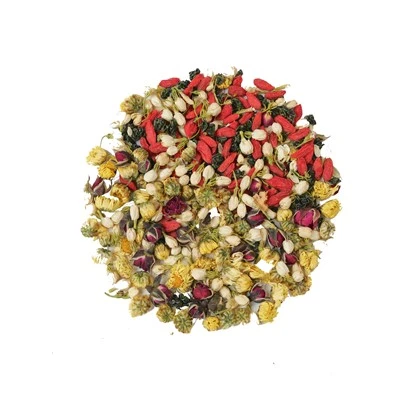
The products after reprocessing with six major teas as raw materials are collectively referred to as reprocessed teas. It mainly includes scented tea, pressed tea, extracted tea, fruit tea, medicinal health tea and tea-containing beverages.
The following mainly talks about scented tea. It should be noted that the scented tea here refers to the scented tea containing tea, not the tea with separate flowers.
Scented tea is a tea made by combining tea leaves and flowers to make the tea leaves absorb the fragrance of flowers.
Scented tea is divided into jasmine tea, osmanthus tea, rose tea, gardenia tea and so on due to the different fragrant flowers made in the cellar.
The main producing areas of scented tea are Heng County in Guangxi, Fuzhou in Fujian, Sichuan, Hunan, Zhejiang and other places.
The basic quality requirements are: the aroma is fresh and strong, the taste is rich and fresh, and the soup is bright.