

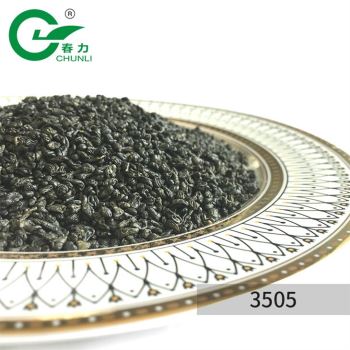
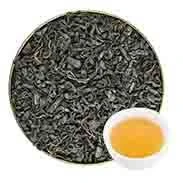
Pearl tea, or "Zhu Cha" in Chinese, is a type of green tea that is rolled into small pellets that resemble pearl tea, hence the name. This unique shape not only makes it visually distinctive, but also affects its flavor and brewing process. In this article, we'll explore the various benefits and uses of pearl tea.
Health Benefits
1. Antioxidant Properties
- Pearl tea is rich in antioxidants, especially catechins, such as epigallocatechin gallate (EGCG). These compounds help neutralize free radicals in the body, reducing oxidative stress and inflammation. This can improve overall health and reduce the risk of chronic disease.
2. Weight Management
- The caffeine and catechins in pearl tea can boost metabolism and increase fat oxidation. Regular consumption may help lose weight and maintain a healthy weight.
3. Oral Health
- The polyphenols in green tea have antibacterial properties that help reduce the growth of harmful bacteria in the mouth. This can improve oral hygiene, freshen breath, and reduce the risk of dental problems such as cavities and gum disease.
4. Heart Health
- Studies show that regular consumption of green tea can improve cardiovascular health by lowering cholesterol levels, reducing blood pressure, and improving blood vessel function. These effects can reduce the risk of heart disease and stroke.
5. Mental Clarity and Focus
- The caffeine content in guppy tea provides a gentle boost of energy without the jitters associated with coffee. Additionally, the amino acid L-theanine promotes relaxation and mental clarity, making it a great choice for those seeking a natural cognitive enhancer.
6. Detoxification
- The high concentration of antioxidants and other bioactive compounds in green tea can help detoxify the body by boosting liver function and aiding in the elimination of toxins.
Culinary Uses
1. Brewing Tips
- To brew a perfect cup of guppy tea, use freshly boiled water (approximately 100°C or 212°F). Place 3-5 grams of tea leaves in a teapot or tea infuser and pour in the hot water. Allow the tea to steep for 15-20 seconds, then strain and drink. Adjust the steeping time and amount of tea to suit your taste preferences.
2. Culinary Applications
- In addition to being used as a beverage, guppy tea can be incorporated into a variety of culinary dishes. It can be used to flavor soups, sauces, and marinades, adding a light earthy, vegetal flavor. Ground green tea leaves can also be added to baked goods, smoothies, and desserts to add a unique flavor.
3. Pairings
- Guppy tea pairs well with a variety of foods, including light seafood dishes, sushi, and vegetarian options. Its fresh, slightly smoky flavor complements these cuisines.
Cultural Significance
- Guppy tea has a long history in Chinese culture, and people have enjoyed it for centuries for its health benefits and unique flavor. It is often served in traditional Chinese tea ceremonies and is considered a symbol of hospitality and respect.
In summary, guppy tea has a wide range of health benefits, from antioxidant protection to improved heart health and mental clarity. Its versatility goes beyond simple brewing, making it a great ingredient in culinary and health practices. Whether you're a tea connoisseur or new to the world of green tea, guppy tea is definitely worth exploring.